There’s something magnetic about a well-crafted villain—the kind that makes your heart race and your moral compass spin wildly. We find ourselves rooting for characters we should despise, falling for men who are walking red flags, and questioning our own judgment when that dangerous smile makes us forget every warning bell in our heads.
But what separates a forgettable antagonist from a villain who haunts readers long after the final page? It’s all about understanding the delicate alchemy between darkness and humanity, between the monster and the man.
Consider the mafia don who rules his empire with an iron fist, leaving destruction in his wake—yet melts completely when his woman walks into the room. He’s killed without blinking, destroyed families, and built his throne on bones. But watch him gentle his touch when he brushes her hair back, see how his voice softens to velvet when he whispers her name.
This contradiction isn’t weakness in your villain—it’s his most dangerous weapon.
The perfect villain isn’t a cartoon character twirling a mustache. He’s the man who can make you believe he’s capable of love while simultaneously proving he’s capable of unspeakable cruelty. He compartmentalizes his violence so expertly that both his tenderness and his brutality feel authentic. This selective humanity makes him infinitely more terrifying because it shows he chooses his darkness.
Then there’s the heartless player—smooth as silk, beautiful as sin, and cold as winter morning. He’s left a trail of broken hearts and shattered dreams, moving through women like a force of nature. But what happens when someone finally says no? When someone walks away with their dignity intact and their heart unbroken?
That’s when you see the true villain emerge.
The player who becomes obsessed with the one who got away, who transforms rejection into a twisted crusade, reveals something far more sinister than simple narcissism. His inability to accept defeat, to process that someone might be immune to his charms, exposes the hollow void where his empathy should live. The woman who wounded his pride by remaining unwounded becomes his white whale—and often, his downfall.
This character arc is particularly powerful because it starts with what appears to be confidence and reveals itself as profound insecurity wrapped in predatory behavior.
Here’s where craft becomes crucial: understanding exactly where that line exists between a villain who can earn redemption and one who’s crossed into unforgivable territory.
The redeemable villain operates from understandable motivations, even if his methods are wrong. His evil serves a purpose—protecting someone he loves, seeking justice for a past wrong, or survival in an impossible situation. He might be the mob boss who entered the life to save his dying sister, or the assassin who kills to protect his family from his handlers. His humanity remains accessible; it’s just buried under layers of hard choices and impossible circumstances.
The irredeemable villain has let the darkness consume what made him human. He’s not protecting anyone—he’s feeding his own appetites. His cruelty serves no purpose beyond his pleasure or ego. He’s crossed lines that can’t be uncrossed, committed acts that reveal a fundamental absence of empathy. Think of the player who, when rejected, doesn’t just move on or even seek normal revenge—he systematically destroys his target’s life because her “no” wounded his sense of supremacy.
The key difference? Motivation and escalation. A redeemable villain’s evil serves something outside himself, even if misguided. An irredeemable villain serves only his own darkness.

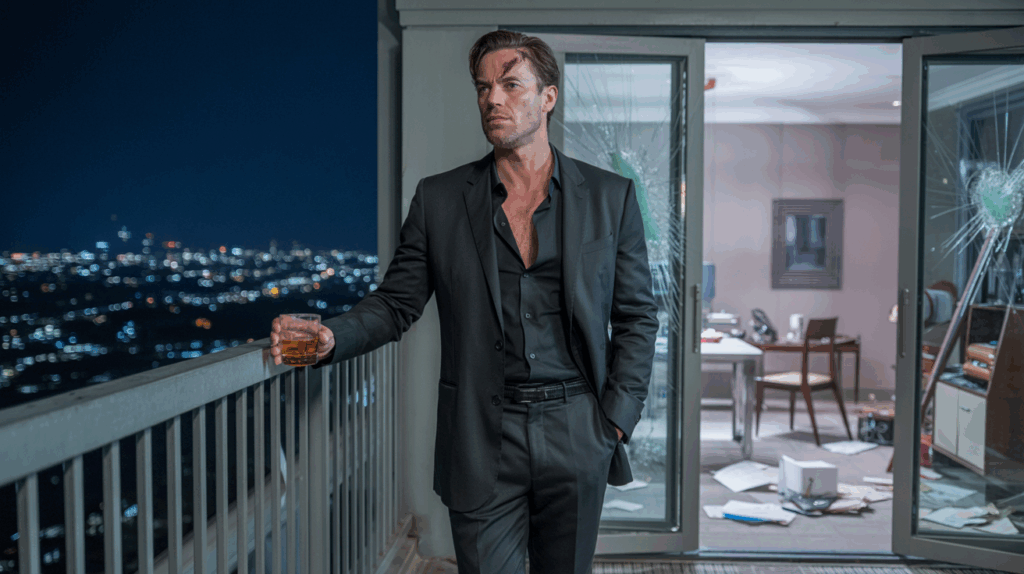
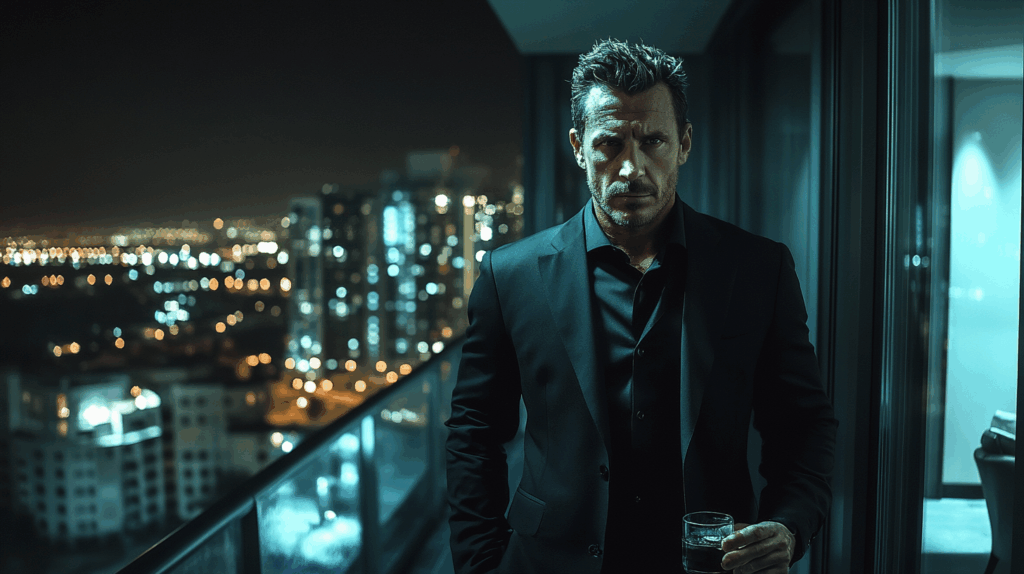
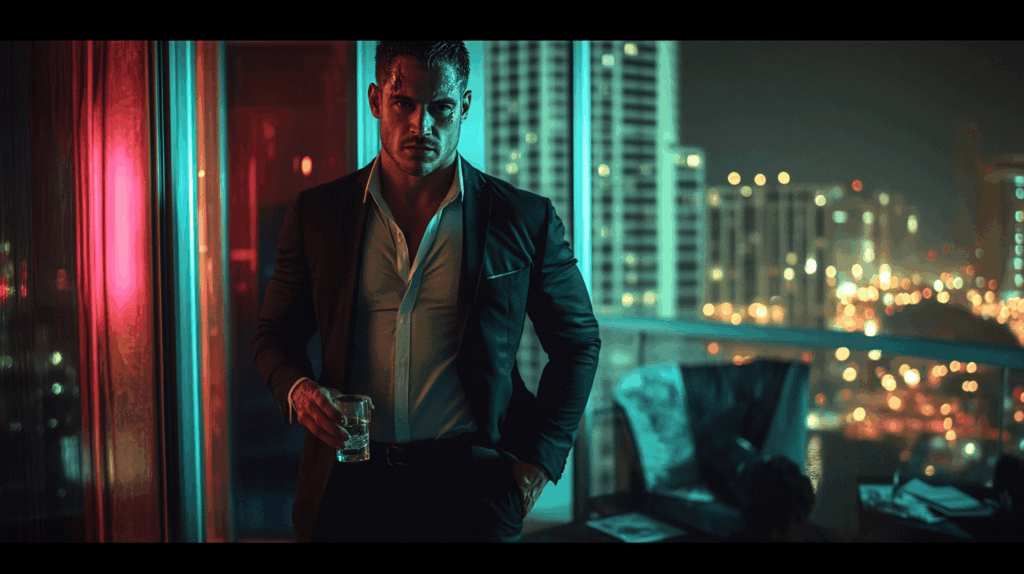
Some cuts go deeper than flesh. The most effective villains understand this instinctively—they don’t just hurt their victims physically; they wound them in ways that reshape their entire relationship with trust, love, and safety.
The mafia don’s woman doesn’t just fear his enemies; she questions whether his tenderness is real or performance. The player’s victims don’t just move on to new relationships; they second-guess every future compliment, wondering what lies beneath the charm.
This psychological scarring is what elevates your villain from merely dangerous to truly unforgettable. He doesn’t just take what he wants in the moment—he fundamentally alters how his victims see the world. That is true power, and that is what makes readers fear him even when he’s being gentle.
When building your villain, remember these essential elements:
Internal Logic: Even the most twisted villain operates according to his own internal rules. Understanding his logic—no matter how warped—makes him feel real and therefore truly threatening.
Selective Humanity: The moments when he shows genuine feeling should feel authentic but also highlight how he chooses when to be human and when to be monster.
Escalation Pattern: Show us how he responds when his control is challenged. Does he retreat? Negotiate? Or does he burn everything down? This reveals who he truly is.
The Wound: What broke him? Not to excuse his actions, but to understand the moment he chose darkness over healing. Sometimes the most frightening villains are the ones who could have been saved but actively chose not to be.
The best villains create conflicted feelings in readers because they force us to confront uncomfortable truths about attraction, power, and our own capacity for moral flexibility. They’re the ones we want to fix, hate ourselves for wanting, and can’t stop thinking about.
They remind us that the line between protector and predator, between passionate and obsessive, between strong and controlling, is often thinner than we’d like to admit.
When you create a villain who readers love to hate, you’re not just crafting an antagonist—you’re creating a mirror that reflects the complexity of human nature itself. You’re showing us that monsters aren’t born in shadows; they’re made from the same raw materials as heroes, just shaped by different choices.
And sometimes, the most terrifying realization is that we understand exactly why they made those choices.
Thanks for reading!
Ready for your next book boyfriend or edge-of-your-seat thriller? Check out my complete collection of stories.
~ Erosa